 >
>
Why Great Content Is No Longer Enough & What Beats It In AI Search
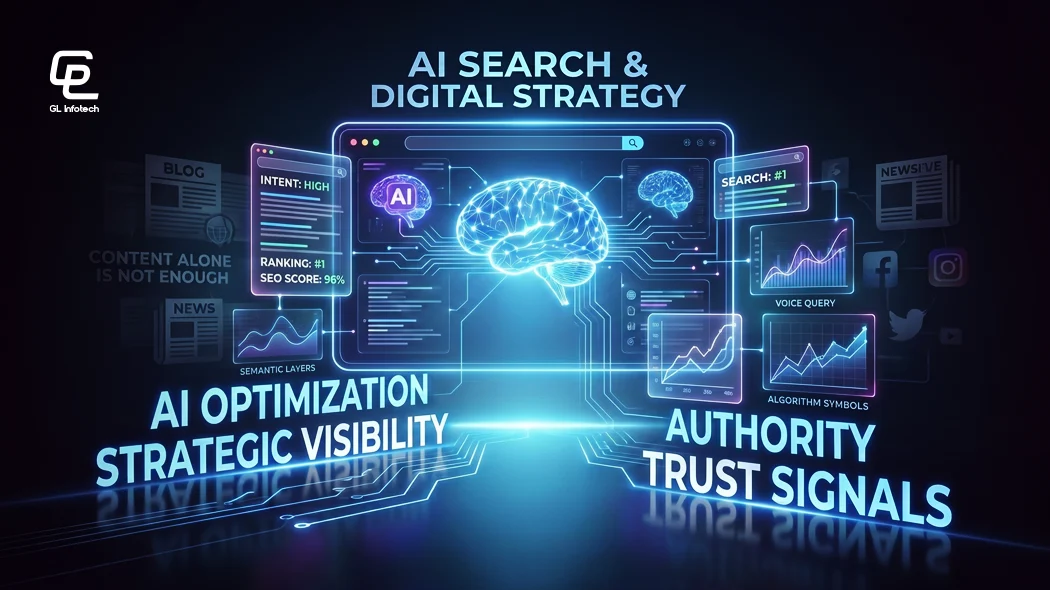
There was a time when ranking high meant your content would consistently reach searchers. Well, think again. Search visibility no longer works that way. Great content is no longer enough, because AI search engines now rank websites based on their contextual relevance and subject matter instead of using basic keyword metrics.
So, if you are still sticking to old-school SEO techniques believing they will get your website ranked, it is high time you made a few strategic changes to your semantic SEO strategy.
Why AI Search Thinks Differently
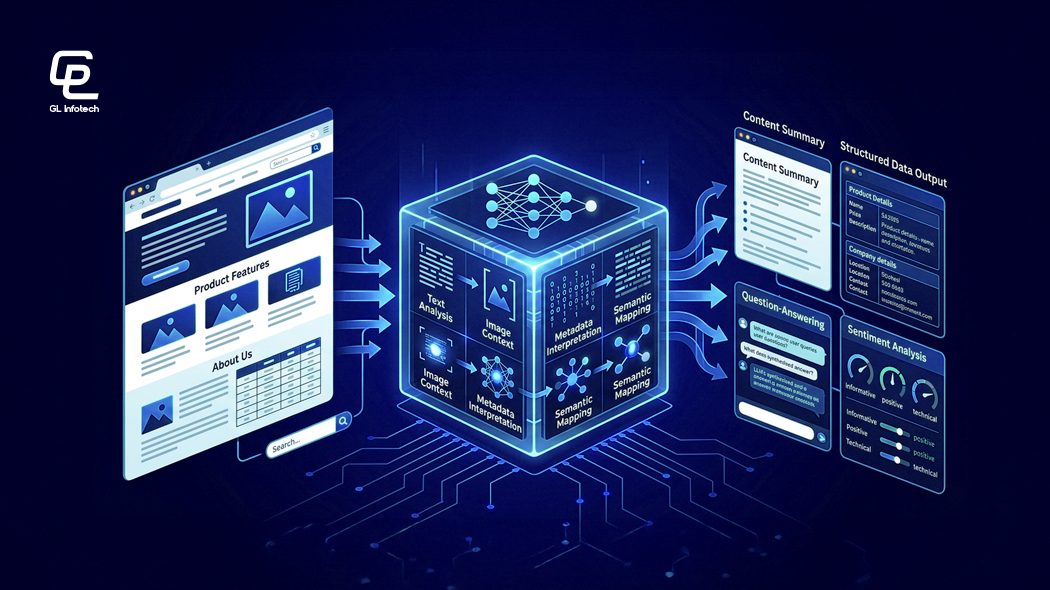
If keyword matching and backlinks were the constraints that defined the visibility in traditional seo formats, today’s AI-powered search engines evaluate the intent behind a search query. Instead of merely scanning for repeated keywords, they examine how clearly the topic of the content is explained. The addition of schema markup enables search engines to comprehend how contents are organized and how it benefits users. With this approach, both content creators and readers benefit equally, leaving little room for keyword stuffing or other outdated SEO practices.
What Beats Great Content Today?
Beyond keyword matching, what matters the most is semantic relevance i.e how true or relevant is the body of content. Websites that perform well in AI search usually provide:
- Clear topic structure
- Related subtopics and supporting information
- User-focused answers
- Natural keyword variations
- Strong topical authority
For example, an article about “Fitness Training” should include workout routines, strength building and related topics, whereas an article about “Digital Marketing” must cover SEO, content marketing, social media strategy, and other key areas of the subject.
The Importance of User Intent
Modern search engines have evolved from relying solely on exact-match keywords to becoming increasingly intent-driven. Apparently, the rankings reflect this shift.
So, what is the takeaway from this shift? Your content strategy should give importance to answering real questions and focus less on keyword counts. Elements such as FAQs, contextual headings, informative subtopics and structured data SEO help AI-powered search engines comprehend content in a better way.
The Future of Search Visibility
Brands that still follow outdated SEO methods may find it difficult to compete in advancing search environments. Hence, semantic SEO is now an essential element of contemporary content strategy and cannot be considered optional.
The future belongs to websites that build credibility by creating appropriate content instead of tracking individual keywords. Alongside context-rich and intent-focused content, organizations must apply effective content distribution to improve visibility across digital platforms. Brands that adapt early will have a stronger chance of remaining visible in AI-powered search results.
Stay Relevant, Rank Better
The changing nature of search algorithms means that today’s successful strategies may not stay effective forever. The present nature of AI search is to rank those websites or content that contain valuable information. Hence, corporations aspiring to rank at the top of Google search results must create purposeful and well-organized content instead of depending on outdated SEO methods.
At Glinfotech, we help brands climb higher in Google rankings through expert, result-driven SEO strategies designed for modern AI-powered search environments.
FAQ’S
Why is great content no longer enough for SEO?
Great content alone is no longer enough for SEO because AI search engines now understand, summarize and present information directly to users.
What matters more than content in AI search?
In AI search, brand trust, digital footprint authority, and entity visibility matter significantly more than written content.
What is content retrievability in AI search?
Content retrievability in AI search refers to how easily AI systems can find, understand, and use your content.
How can you optimize content for AI search?
You can optimize content for AI search by creating context-rich and user-focused content.
How does content distribution impact AI search visibility?
Content distribution improves AI search visibility by helping your content reach more platforms, audiences and websites.