 >
>
Is AI ‘Knowledge’ Trustworthy? Lessons from Wikipedia’s New AI Restrictions
The recent restriction on using artificial intelligence to generate or rewrite content for Wikipedia has raised questions about the platform’s integrity. However, the policy change came at a time when more people were turning to AI tools for quick answers and content creation. This moment reflects how AI knowledge bases are becoming central to how people access and consume information.
So, is AI knowledge trustworthy? Let us find out from the recent developments.
What Led to Wikipedia’s New AI Policy
Wikipedia’s decision to restrict AI-generated content did not happen suddenly. It was the result of a rapid rise in AI-generated content flooding online platforms. Among the various challenges, AI-generated articles stood as primary concern, compelling the company to make necessary changes in their policy. However the factors that lead to this situation were :
- Verifiability
- No original research
- Content integrity
Wikipedia maintained some acceptance of AI technology even after applying few limitations. Apparently, the system allows restricted access to machine translation and copyediting tools, which need human editors to check every result.
The Bigger Picture (AI Knowledge Base Problem)
This issue is not limited to Wikipedia. The widespread adoption of AI knowledge bases in search engines, chatbots and content tools has changed the way people obtain and interpret information. Apparently, these systems have turned into the primary source for quick answers, reducing the need to juggle between multiple search engines.
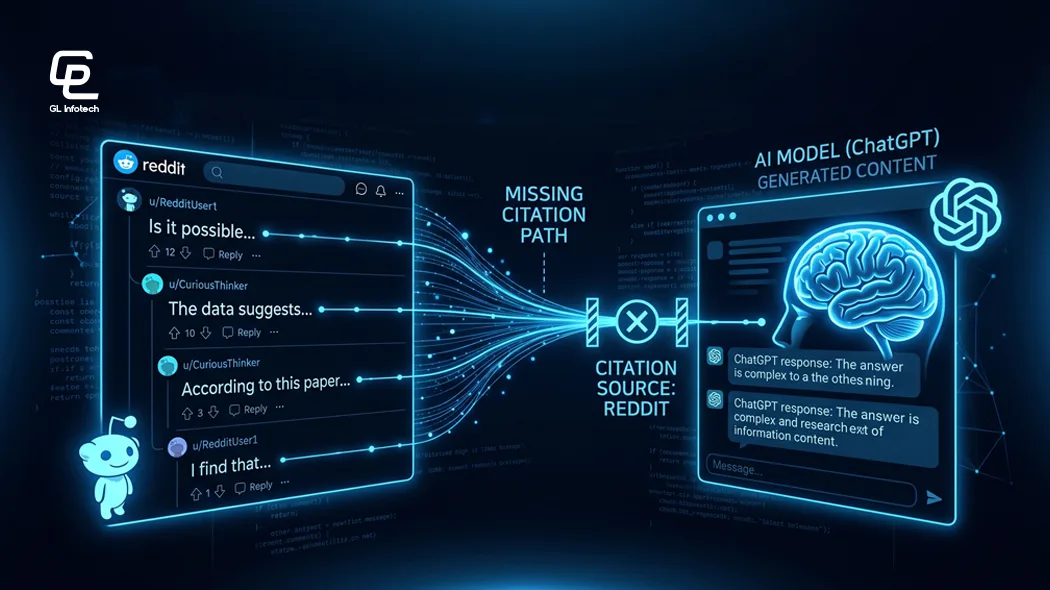
However, this convenience brings certain generative AI limitations to light. Unlike curated platforms or academic databases that cite the sources and do fact checking, AI knowledge bases often generate responses without disclosing the sources of the information that are gathered. Besides, the output solely relies on patterns that machine learning algorithms acquired during training on extensive datasets, as there are no traceable sources to verify the results. This has significantly reduced the trust in AI generated content among the users, forcing big organizations like Wikipedia to reinvestigate their policy.
Finding the Balance Between AI and Human Oversight
Though AI knowledge can give you swift responses, its trust remains a concern.
The case of Wikipedia is a typical example of how humans’ reasoning abilities dominate over mere machine outputs. AI systems are capable of helping with summarizing tasks or creating content, however they often produce inaccurate or false content without verification, which means they shouldn’t be trusted as sole sources of authentication.
At the same time, completely rejecting AI may limit efficiency and innovation. A more balanced approach to adopt would be the human–AI collaboration, where AI supports content creation, but humans foresee them by verifying facts, sources and context.
Key Takeaways from Wikipedia’s AI Policy
When a tech giant like Wikipedia questions the authenticity of AI generated content, it brings into question, “Are AI knowledge bases truly reliable?”. This concern underlines the growing gap between the convenience it provides, the trust in AI and the need for verified, trustworthy information. As their trustworthiness is shaped by generative AI limitations, particularly the lack of transparency and verifiability, it is necessary to validate their outputs through credible sources. So, what we can learn from the recent development involving Wikipedia is that AI should be perceived as a support system, not a replacement for human cognitive abilities.
FAQ
1. Has Wikipedia been affected by AI?
Answer: Yes, AI has definitely impacted Wikipedia, which is evident in the policy changes that have been put into place.
2.What is more trustworthy, AI or Wikipedia?
Answer: Though neither provides completely reliable information, Wikipedia is considered a better option because of its foundation in human verification and transparency.
3.Is Wikipedia a credible source of information?
Answer: Wikipedia is a useful starting point for research, but it is typically not cited as an authoritative source in academic or professional work.
4. How trustworthy is AI information?
Answer: AI-generated content can be unreliable in some cases because it relies on patterns rather than fact checking.
5. What are Wikipedia’s new ai restrictions?
Answer : English Wikipedia has officially prohibited the use of Large Language Models (LLMs) for generating or rewriting article content.